

New Mexico is one of the most exciting destinations for birdwatching in the United States. With its diverse landscapes that range from deserts and grasslands to mountain forests and wetlands, the state supports a remarkable variety of bird species. New Mexico sits at the intersection of several migratory flyways, which means birders can see both resident species and migratory birds throughout the year.
The combination of unique habitats and mild climate attracts over 500 bird species, making the state a popular destination for beginner and experienced birdwatchers alike. From high-elevation mountain forests to desert wetlands, New Mexico offers some of the best birding opportunities in the Southwest.
In this guide, we explore the 10 best birding hotspots in New Mexico, including what birds you can expect to see and when to visit.
1. Bosque del Apache National Wildlife Refuge

Bosque del Apache National Wildlife Refuge is widely considered the best birding destination in New Mexico. Located along the Rio Grande south of Socorro, this refuge is famous for its spectacular winter migrations.
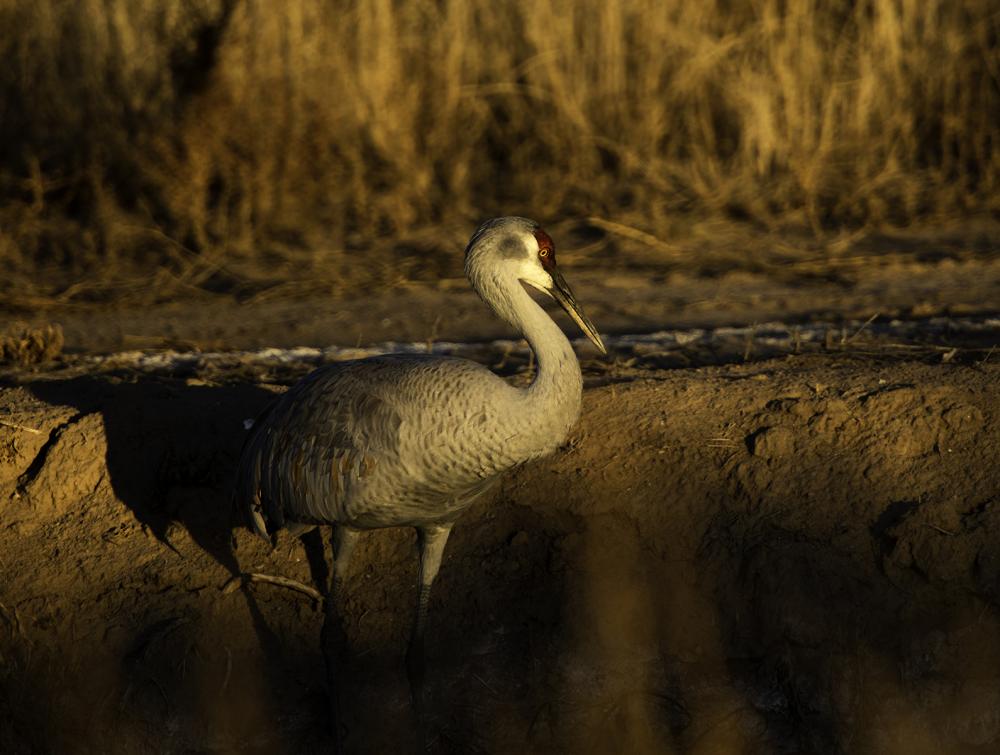
Every year thousands of sandhill cranes and snow geese gather in the refuge’s wetlands and agricultural fields. At sunrise and sunset, visitors can witness breathtaking scenes of large flocks taking flight across the sky.
The refuge provides excellent birdwatching infrastructure including scenic driving loops, observation decks, and walking trails.
Birds to See
- Sandhill cranes
- Snow geese
- Bald eagles
- Northern pintails
- American avocets
Best Time to Visit
November through February during peak migration.
2. Bitter Lake National Wildlife Refuge

Located near Roswell, Bitter Lake National Wildlife Refuge protects a unique desert wetland ecosystem. The refuge includes marshes, lakes, and grasslands that support a wide range of bird species.
More than 350 species of birds have been recorded here, making it a favorite destination for birdwatchers.
The wetlands attract both resident birds and migrating waterfowl, while the surrounding desert areas host raptors and grassland species.
Birds to See
- American bittern
- Snowy egret
- White-faced ibis
- Vermilion flycatcher
- Northern harrier
Best Time to Visit
Spring and fall migration seasons.
3. Rio Grande Nature Center State Park

The Rio Grande Nature Center State Park in Albuquerque is one of the most accessible birding locations in the state. Situated along the Rio Grande, the park features cottonwood forests, wetlands, and walking trails.
The visitor center includes observation windows overlooking a pond that attracts many bird species throughout the year.
Because of its urban location, this park is an excellent place for beginners to start birdwatching.
Birds to See
- Wood ducks
- Black phoebes
- Yellow warblers
- Cooper’s hawks
- Great blue herons
Best Time to Visit
Year-round birding opportunities.
4. White Sands National Park

White Sands National Park is known for its stunning gypsum sand dunes, but it also provides habitat for several desert bird species.
Birdwatchers visiting the park may see birds specially adapted to desert environments. Some species even exhibit pale coloration that helps them blend into the white dunes.
Birds to See
- Roadrunners
- Horned larks
- Loggerhead shrikes
- Say’s phoebes
- White-throated swifts
Best Time to Visit
Spring and fall migration periods.
5. Gila National Forest

Gila National Forest offers one of the most diverse birding environments in New Mexico. The forest covers mountains, rivers, and wilderness areas that provide habitats for many species.
Birdwatchers often visit the Gila region to observe both forest birds and raptors.
Birds to See
- Mexican spotted owl
- Red-tailed hawk
- Western tanager
- Acorn woodpecker
- Steller’s jay
Best Time to Visit
Late spring and summer.
6. Elephant Butte Lake State Park

Elephant Butte Lake State Park is New Mexico’s largest lake and a fantastic birdwatching location for water birds.
The lake attracts many migratory species during spring and fall, while the surrounding desert habitats support additional bird diversity.
Birds to See
- American white pelicans
- Double-crested cormorants
- Ospreys
- Western grebes
- Killdeer
Best Time to Visit
Spring migration.
7. Carlsbad Caverns National Park

Although famous for bats, Carlsbad Caverns National Park also offers excellent birdwatching opportunities.
The desert landscape surrounding the caves provides habitat for several unique bird species.
Birds to See
- Canyon wrens
- Golden eagles
- Rock wrens
- Black-throated sparrows
- Peregrine falcons
Best Time to Visit
Spring and early summer.
8. Valle de Oro National Wildlife Refuge
Valle de Oro National Wildlife Refuge is one of the newest wildlife refuges in the United States. Located in Albuquerque, it provides habitat restoration along the Rio Grande.
This refuge attracts migratory birds and provides excellent opportunities for birdwatching close to the city.
Birds to See
- American kestrels
- Northern shovelers
- Great horned owls
- Red-winged blackbirds
Best Time to Visit
Spring and fall migration seasons.
9. Chaco Culture National Historical Park

Chaco Culture National Historical Park offers a unique combination of archaeology and birdwatching.
The canyon environment supports many desert bird species as well as birds that nest along rocky cliffs.
Birds to See
- Golden eagles
- Canyon towhees
- Common ravens
- Rock wrens
Best Time to Visit
Spring and autumn.
10. Randolph Air Force Base Grasslands

The grasslands of eastern New Mexico provide excellent birding for prairie species.
These open landscapes support birds that thrive in wide grassland ecosystems.
Birds to See
- Meadowlarks
- Lark buntings
- Ferruginous hawks
- Grasshopper sparrows
New Mexico Birding Hotspots Map Overview
| Region | Hotspot | Habitat Type | Notable Birds |
|---|---|---|---|
| Central NM | Bosque del Apache National Wildlife Refuge | Wetlands & Rio Grande floodplain | Sandhill cranes, snow geese, ducks |
| Southeast NM | Bitter Lake National Wildlife Refuge | Desert wetlands | Herons, ibis, waterfowl |
| Central NM | Rio Grande Nature Center State Park | Riparian forest (bosque) | Wood ducks, warblers, hawks |
| Southern NM | Mesilla Valley Bosque State Park | River woodland | Migratory songbirds |
| Southern NM | Elephant Butte Lake State Park | Reservoir & shoreline | Pelicans, grebes, cormorants |
| Southeast NM | Carlsbad Caverns – Rattlesnake Springs | Oasis & desert habitat | Orioles, tanagers, warblers |
| Northern NM | Maxwell National Wildlife Refuge | Prairie wetlands | Waterfowl, cranes |
| Northeast NM | Ute Lake State Park | Lake & grasslands | Shorebirds, ducks |
| Southwest NM | Gila National Forest | Mountain forest | Woodpeckers, owls, jays |
| Central NM | Valle de Oro National Wildlife Refuge | Restored wetlands | Kestrels, blackbirds |
Many of these locations are among the most species-rich birding sites in the state, with several recording over 300 bird species.
Top 30 Birds to See in New Mexico (with Scientific Names)
New Mexico’s diverse habitats—from deserts and grasslands to wetlands and mountain forests—support hundreds of bird species. Below are 30 notable birds commonly seen by birdwatchers in New Mexico, including both resident and migratory species.
| Common Name | Scientific Name | Habitat | Best Season |
|---|---|---|---|
| Sandhill Crane | Antigone canadensis | Wetlands | Winter |
| Snow Goose | Anser caerulescens | Wetlands | Winter |
| Greater Roadrunner | Geococcyx californianus | Desert | Year-round |
| Bald Eagle | Haliaeetus leucocephalus | Rivers & lakes | Winter |
| Golden Eagle | Aquila chrysaetos | Mountains | Year-round |
| American White Pelican | Pelecanus erythrorhynchos | Lakes | Spring |
| Great Blue Heron | Ardea herodias | Wetlands | Year-round |
| Vermilion Flycatcher | Pyrocephalus rubinus | Riparian | Spring |
| Western Meadowlark | Sturnella neglecta | Grasslands | Spring |
| Black-chinned Hummingbird | Archilochus alexandri | Gardens & forests | Summer |
| Broad-tailed Hummingbird | Selasphorus platycercus | Mountains | Summer |
| Steller’s Jay | Cyanocitta stelleri | Forests | Year-round |
| Acorn Woodpecker | Melanerpes formicivorus | Woodland | Year-round |
| Northern Harrier | Circus hudsonius | Grasslands | Winter |
| Red-tailed Hawk | Buteo jamaicensis | Open country | Year-round |
| Peregrine Falcon | Falco peregrinus | Cliffs | Spring |
| Canyon Wren | Catherpes mexicanus | Canyons | Year-round |
| Rock Wren | Salpinctes obsoletus | Desert rocks | Year-round |
| Black-throated Sparrow | Amphispiza bilineata | Desert | Spring |
| Lark Bunting | Calamospiza melanocorys | Prairie | Summer |
| Mountain Bluebird | Sialia currucoides | Open country | Winter |
| Western Tanager | Piranga ludoviciana | Forest | Summer |
| Yellow Warbler | Setophaga petechia | Riparian forests | Spring |
| Cooper’s Hawk | Accipiter cooperii | Forest edges | Year-round |
| Osprey | Pandion haliaetus | Lakes & rivers | Summer |
| Killdeer | Charadrius vociferus | Shorelines | Year-round |
| American Avocet | Recurvirostra americana | Wetlands | Spring |
| Northern Pintail | Anas acuta | Marshes | Winter |
| Great Horned Owl | Bubo virginianus | Forests | Year-round |
| Common Raven | Corvus corax | Desert & mountains | Year-round |
These birds represent many of the habitats found in New Mexico and are frequently observed at hotspots such as Bosque del Apache National Wildlife Refuge, Bitter Lake NWR, and the Gila National Forest.
New Mexico Birding Season Calendar (Month-by-Month)
Birdwatching in New Mexico changes throughout the year as migratory species arrive and depart. The calendar below highlights what birders can expect each month.
January
Winter birding is excellent in New Mexico, particularly in wetlands.
Birders often see large flocks of snow geese and sandhill cranes at Bosque del Apache. Bald eagles are also common around rivers and lakes.
Key birds:
Sandhill cranes, snow geese, bald eagles, northern pintails.
February
Late winter continues to provide excellent opportunities for observing waterfowl and raptors.
Bird activity begins increasing as some early migrants start returning.
Key birds:
Golden eagles, mountain bluebirds, northern harriers.
March
Spring migration begins in March. Warblers, hummingbirds, and shorebirds begin appearing across the state.
Wetlands and riparian habitats become especially productive.
Key birds:
American avocets, yellow warblers, killdeer.
April
April is one of the best months for birding in New Mexico. Many migratory birds pass through the state on their way north.
Mountain regions begin seeing breeding birds return.
Key birds:
Western tanagers, black-chinned hummingbirds, peregrine falcons.
May
May is peak migration season. Bird diversity is at its highest during this time.
Birders visiting riparian habitats may see dozens of species in a single morning.
Key birds:
Warblers, orioles, flycatchers, hummingbirds.
June
Summer breeding season begins. Many birds establish territories and begin nesting.
Mountain forests become excellent birding areas during this time.
Key birds:
Broad-tailed hummingbirds, Steller’s jays, western tanagers.
July
Bird activity remains high as young birds begin leaving nests.
Early mornings are best for birdwatching due to summer heat.
Key birds:
Acorn woodpeckers, canyon wrens, lark buntings.
August
Late summer marks the beginning of fall migration.
Shorebirds begin appearing at lakes and wetlands.
Key birds:
American white pelicans, shorebirds, osprey.
September
Fall migration intensifies. Many songbirds and raptors move south during this month.
Grasslands and wetlands are productive birding habitats.
Key birds:
Red-tailed hawks, sparrows, migrating warblers.
October
Waterfowl begin arriving in New Mexico as winter approaches.
Birders can start seeing larger numbers of ducks and geese.
Key birds:
Northern pintails, snow geese, sandhill cranes.
November
November is one of the most famous birding months in New Mexico because of the sandhill crane migration at Bosque del Apache.
Thousands of cranes gather in wetlands during this time.
Key birds:
Sandhill cranes, snow geese, bald eagles.
December
Winter birding peaks in December. Many migratory waterfowl settle in New Mexico wetlands.
Birders can witness spectacular sunrise crane flights.
Key birds:
Snow geese, sandhill cranes, bald eagles.
With careful planning, birdwatchers can enjoy incredible bird diversity throughout the year.

Regional Birding Areas in New Mexico
1. Rio Grande Valley Birding Corridor
The Rio Grande River runs through central New Mexico and forms one of the most important bird migration routes in the Southwest.
Major birding sites along this corridor include:
- Bosque del Apache National Wildlife Refuge
- Rio Grande Nature Center State Park
- Valle de Oro National Wildlife Refuge
- Mesilla Valley Bosque State Park
These areas provide wetlands, cottonwood forests, and riparian habitats that attract migrating waterfowl and songbirds.
Bosque del Apache alone can host tens of thousands of snow geese and sandhill cranes during winter migration, making it one of the most famous birding destinations in North America.
2. Southeastern Desert Wetlands
Despite the dry climate, southeastern New Mexico contains several productive wetlands.
Important sites include:
- Bitter Lake National Wildlife Refuge
- Rattlesnake Springs (Carlsbad Caverns area)
- Living Desert Zoo & Gardens State Park
These locations provide water sources in otherwise arid landscapes, attracting a wide variety of birds.
Wetlands near Bitter Lake include marshes and oxbow lakes along the Pecos River, creating excellent habitat for waterbirds.
3. Northern Prairie and Lake Birding Sites
Northern New Mexico contains several lakes and grasslands that attract migratory birds.
Popular birding areas include:
- Maxwell National Wildlife Refuge
- Ute Lake State Park
- Sumner Lake State Park
These areas are especially good for:
- cranes
- shorebirds
- ducks
- prairie birds
Large reservoirs also attract pelicans and grebes during migration.
4. Southwestern Mountain Birding Areas
The mountains of southwestern New Mexico host birds that are rarely seen elsewhere in the state.
Key birding locations include:
- Gila National Forest
- Burro Mountains
- San Vicente Cienega
These forests provide habitat for woodland birds and raptors.
Birders may encounter species typical of Mexico and southeastern Arizona due to the region’s unique climate.
How to Use a Birding Map in New Mexico
When planning a birding trip, a hotspot map helps you:
- Plan travel routes between birding areas
- Identify different habitat types
- Track migration patterns across regions
- Locate birding trails and observation areas
Many birders also use apps like eBird or local birding trail guides to find recent sightings.
Best Birding Regions by Habitat
| Habitat | Best Locations |
|---|---|
| Wetlands | Bosque del Apache, Bitter Lake |
| Lakes | Elephant Butte Lake, Ute Lake |
| Desert | White Sands, Carlsbad Caverns |
| Forest | Gila National Forest |
| Grasslands | Maxwell NWR, eastern plains |
Each habitat supports different bird species, which is why birding across multiple locations can produce the greatest diversity.

Conclusion
New Mexico is one of the most rewarding states for birdwatching in the United States. Its diverse habitats attract hundreds of bird species, from desert specialists to migratory waterfowl.
Whether you are visiting wetlands like Bosque del Apache or exploring mountain forests in the Gila region, New Mexico offers unforgettable birding experiences.
With proper planning and a bit of patience, birdwatchers can discover incredible wildlife while enjoying some of the most beautiful landscapes in the American Southwest.
References
- Audubon Society – New Mexico Birding Guide
https://www.audubon.org - New Mexico Department of Game and Fish – New Mexico Birding Trail
https://wildlife.dgf.nm.gov - U.S. Fish and Wildlife Service – National Wildlife Refuges and Bird Conservation
https://www.fws.gov - eBird – New Mexico Bird Sightings and Checklists
https://ebird.org